Images and Objects of Russia’s War against Ukraine
Discussion, Screening, and Performance
- Date
- 30 January 2026
- Time
- 16:00 -19:00
- Location
- BG 3
- Room
- VOX-POP (ground floor)
Introduced by economist Oleksandra Moskalenko and moderated by media studies scholar Daniel de Zeeuw, this event will present the volume Images and Objects of Russia’s War against Ukraine. Together with their editors, two of the book’s authors will examine how diverse cultural products and spatial formations interpret and shape the war and the narratives surrounding it.
This conversation is followed by an experimental video essay directed by Miglė Bareikytė and Natasha Klimenko and made in collaboration with five contributors of the volume. The screening functions as an extension of the book and presents the author’s voices and the materials used in a visual and time-based medium.
Lastly, we will close off with an audience Q&A and a performance by Ukrainian artist Borys Kashapov.
Practical information
This programme will start at 16:00 (please be on time!) and lasts until 19:00. It will take place in the VOX-POP space at Binnengasthuisstraat 9, BG3.
The programme is open to everyone free of charge. We do kindly invite you to register due to limited capacity.
Guest speakers
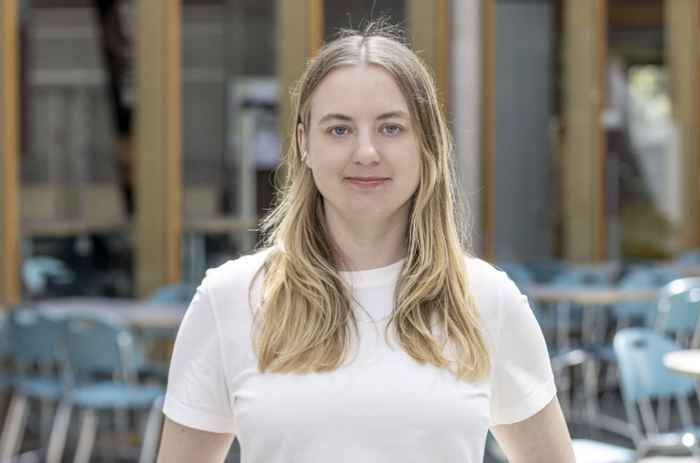
Miglė Bareikytė is Chair of Digital Studies at the European University Viadrina in Frankfurt (Oder). Her research focuses on digital media, data practices, and war sensing, with a particular emphasis on Central and Eastern Europe. Since 2022, she has studied media and data practices in Russia’s war against Ukraine and is the principal investigator of the War Sensing project within the CRC 1187 Media of Cooperation.
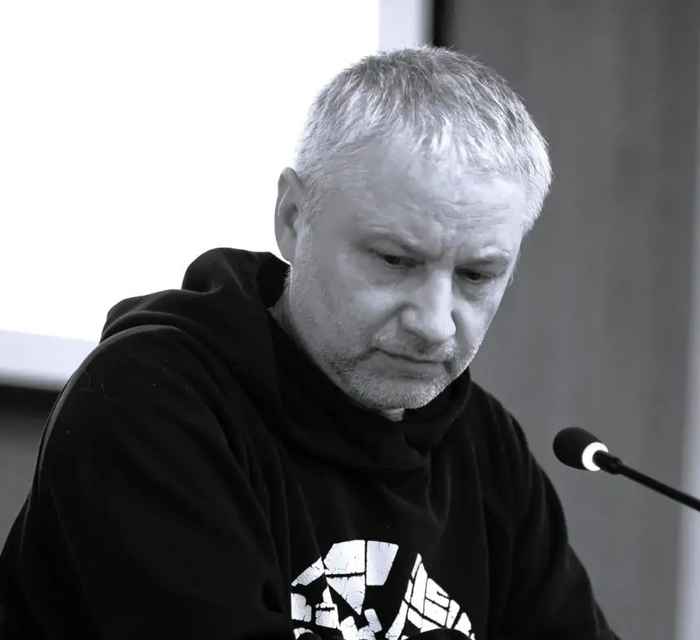
Mykola Homanyuk is a sociologist, geographer, and theatermaker, and an associate professor at Kherson State University. His work focuses on memory, commemoration, and spatial politics in Ukraine. He is the co-author of Monuments and Territory: War Memorials in Russian-Occupied Ukraine (CEU Press) and directs documentary productions through the Kherson Theatre Lab.
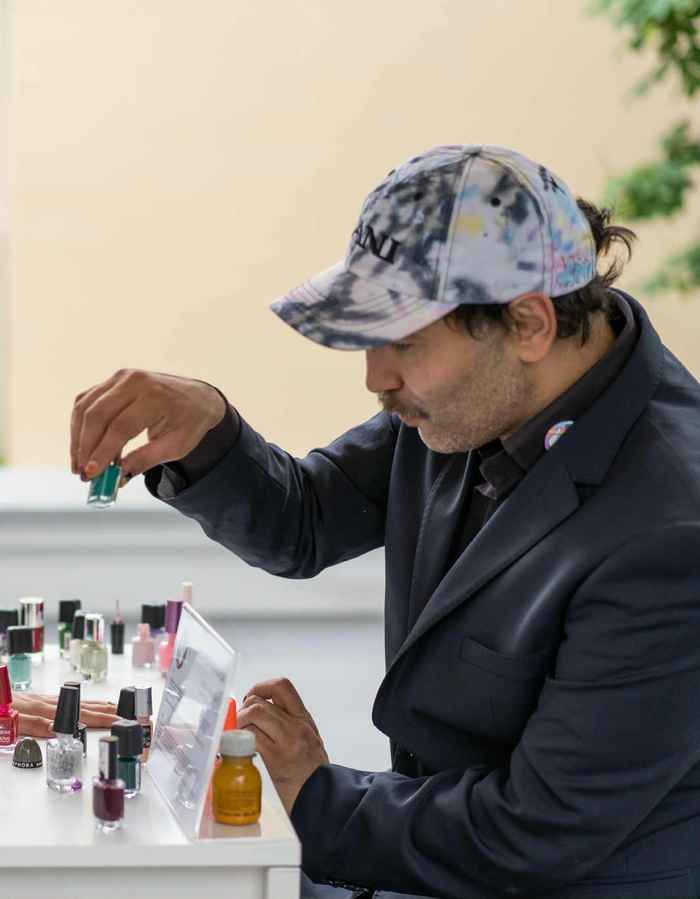
Borys Kashapov is a Kyiv-born, Amsterdam-based artist and a graduate of the Rodchenko School of Photography and Multimedia. Working primarily with video and performance, his practice examines power relations in art and the political dimensions of form. He has been involved in several collectives, including the REP Group, Penoplast dream-band, and The Gay Carousel, and has initiated numerous self-organised and alter-institutional projects.
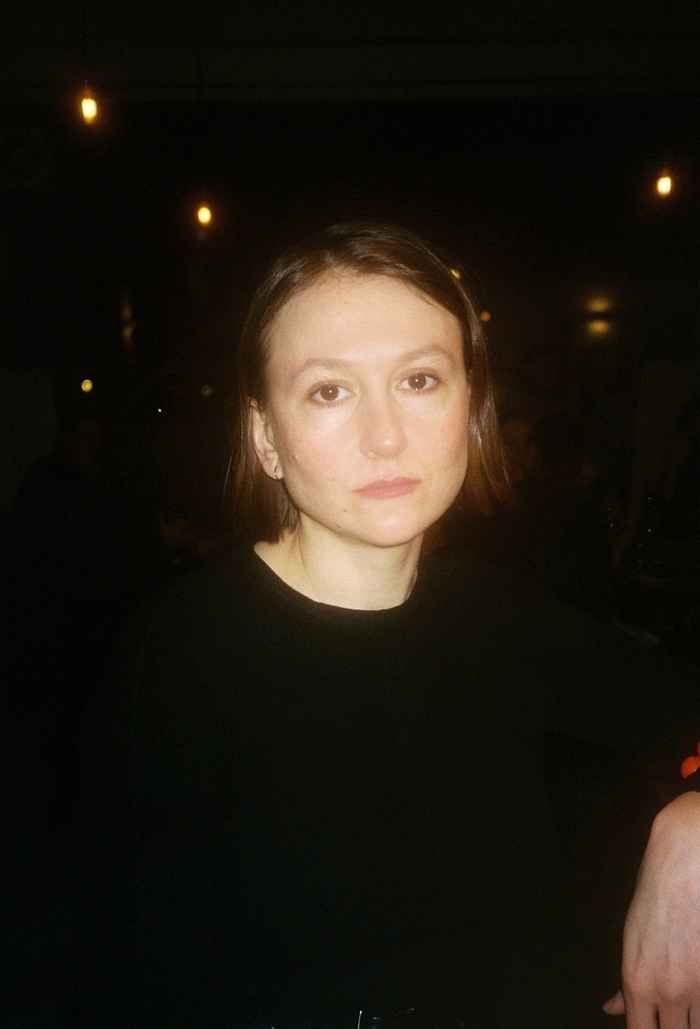
Natasha Klimenko is a doctoral fellow at the DFG Graduate School Global Intellectual History at Freie Universität Berlin and Humboldt-Universität zu Berlin, and is affiliated with the Osteuropa-Institut at Freie Universität Berlin. Her PhD research examines the entangled art histories of Soviet Uzbekistan in the interwar period, with a focus on modernist practices, conceptual transfers, identity formation, and institutional frameworks. She previously worked as Science Communication Coordinator for the Prisma Ukraïna program at Forum Transregionale Studien.
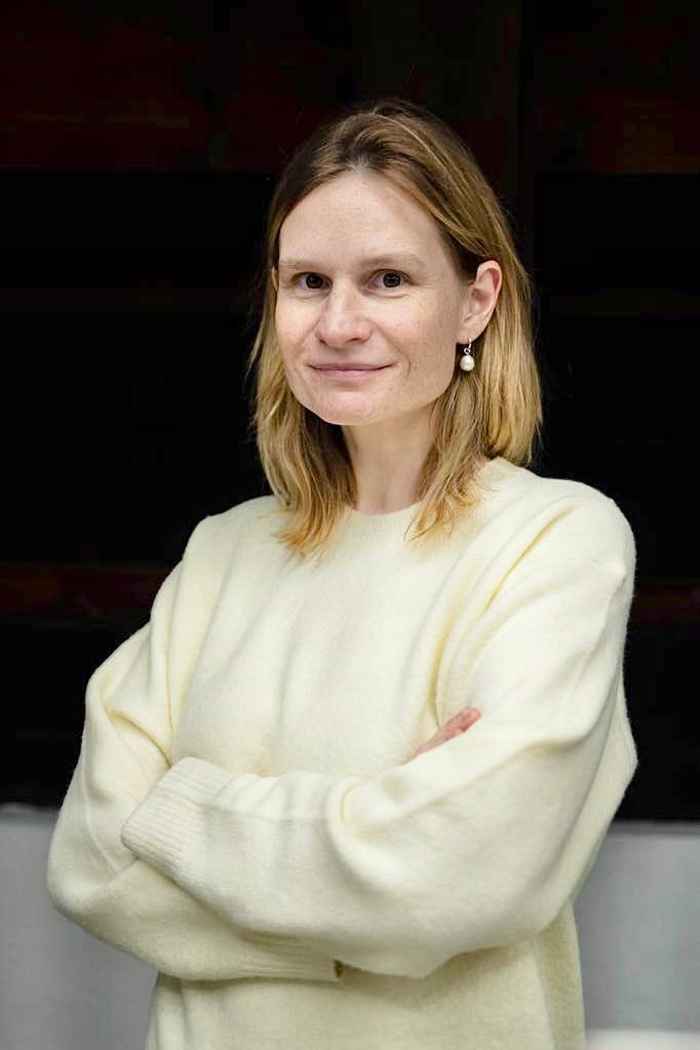
Lesia Kulchynska is a curator and researcher in media and visual studies based in Amsterdam. Her work focuses on visual cultures of violence, media infrastructures, and the politics of art, with particular attention to Ukraine and the Russo–Ukrainian War. She is currently a postdoctoral researcher at the Amsterdam School for Cultural Analysis at the University of Amsterdam.
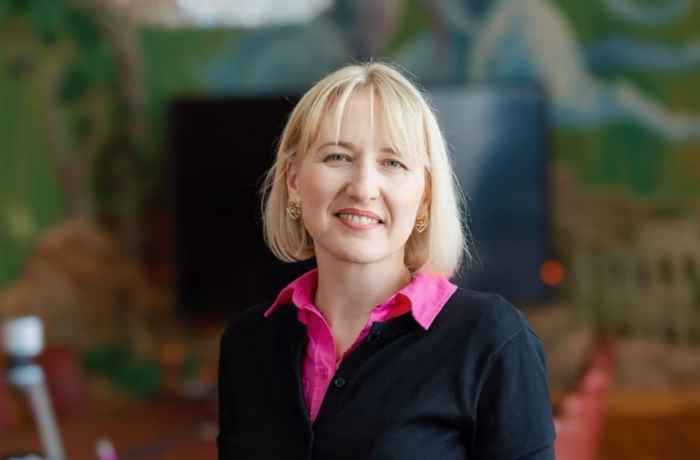
Oleksandra Moskalenko is Doctor of Sciences (Economics) and Professor of Economic Theory at Kyiv National Economic University named after Vadym Hetman. She is currently a Duisenberg Fellow (2025–2026) at NIAS in the Netherlands and has previously been a Visiting Professor at the Centre for Macroeconomics and the Department of Economics at the London School of Economics and Political Science.

Viktoriya Sereda is Head Coordinator of the Virtual Ukraine Institute for Advanced Study (VUIAS) at the Wissenschaftskolleg zu Berlin and Professor of Sociology at the Kyiv School of Economics. She is also a Senior Advisor to the War, Migration, and Memory project at Forum Transregionale Studien and an Associate of the Ukrainian Research Institute at Harvard University. Her research focuses on migration, memory, and identity in Ukraine.
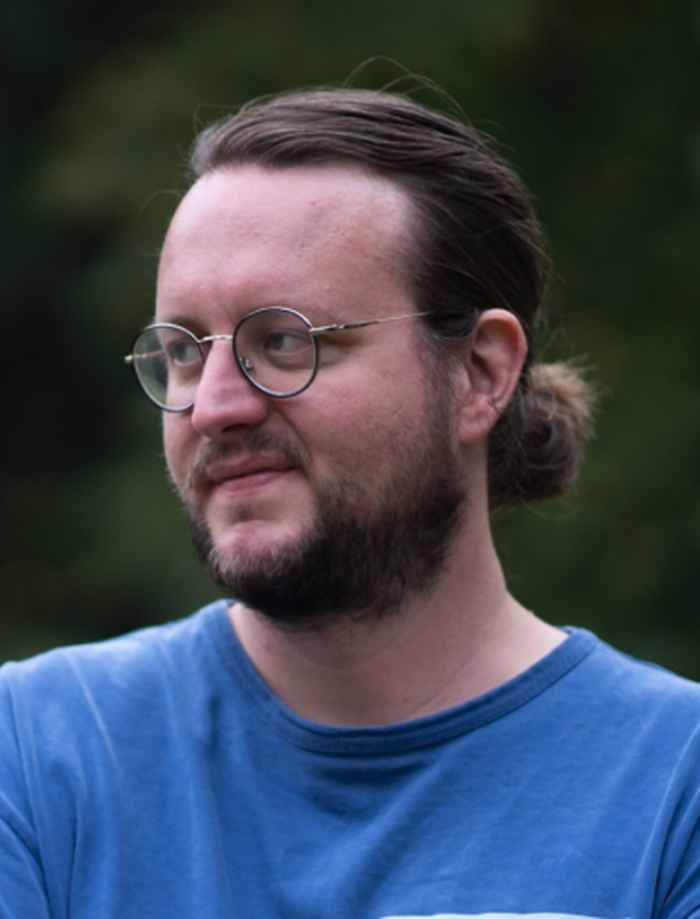
Daniël de Zeeuw is Assistant Professor in digital media culture at the University of Amsterdam. His research examines online environments as kinetic, weaponized, and non-discursive systems of influence. He has published widely on online subcultures, platform logics, conspiracy theories, and political radicalization, and is a member of OILab, the Digital Methods Initiative, and co-editor of Krisis: Journal for Contemporary Philosophy.