Guns, Tech and Permaviolence in Latin America
A lecture organised by CEDLA
- Date
- 5 June 2026
- Time
- 15:30 -17:00
- Location
- BG 3
- Room
- VOX-POP
León Castellanos-Jankiewicz, senior researcher in international law, introduces “permaviolence”, a concept describing the unprecedented ubiquity of harm in contemporary society mediated by digital technology. Permaviolence operates through two mechanisms: “onboarding violence”, where algorithms and digital media normalise violent content through constant exposure; and “outsourcing violence”, where emerging technologies democratise access to harmful tools.
Drawing on recent research on gun control, AI‑enabled weapons and 3D‑printed firearms, Castellanos-Jankiewicz shows how technological change outpaces humanity’s moral capacity to adapt. He turns to Latin America, where U.S.-manufactured guns fuel regional violence amplified by digital means, creating grounds for strategic litigation against manufacturers and online platforms over transboundary harms. Cases from Mexico and other countries exemplify approaches to corporate accountability, challenging liability shields by documenting how negligent distribution and wilful blindness to trafficking patterns destabilise the region.
Castellanos-Jankiewicz's presentation concludes by advocating innovative governance frameworks to narrow the gap between technological capacity for violence and our ability to respond.
Speakers
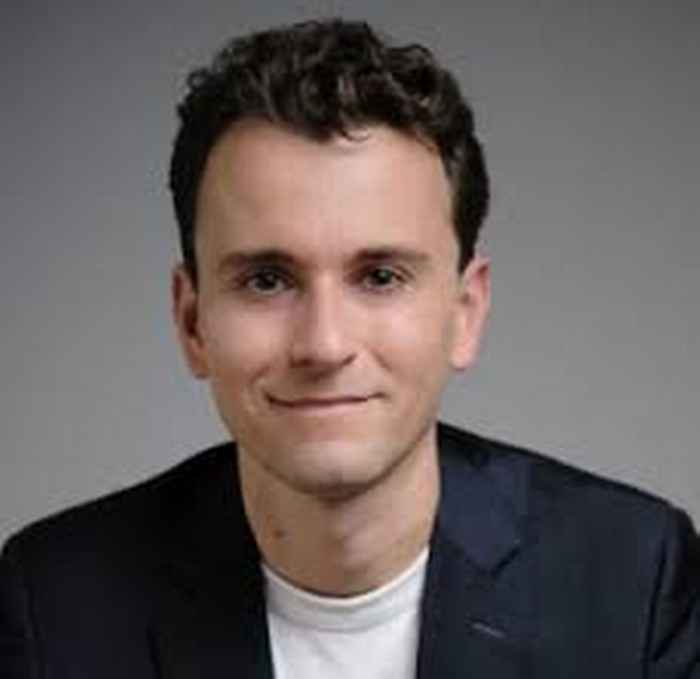
León Castellanos-Jankiewicz is a senior researcher at the Asser Institute and the University of Amsterdam Faculty of Law. His work bridges arms trade and weapons transfer policy (including human rights safeguards and corporate accountability), the governance of global public goods through private law, and the legal history of international law. He publishes in leading journals, writes for outlets such as El País, NRC and Just Security, advises governments, and is an expert in the Forum on the Arms Trade.
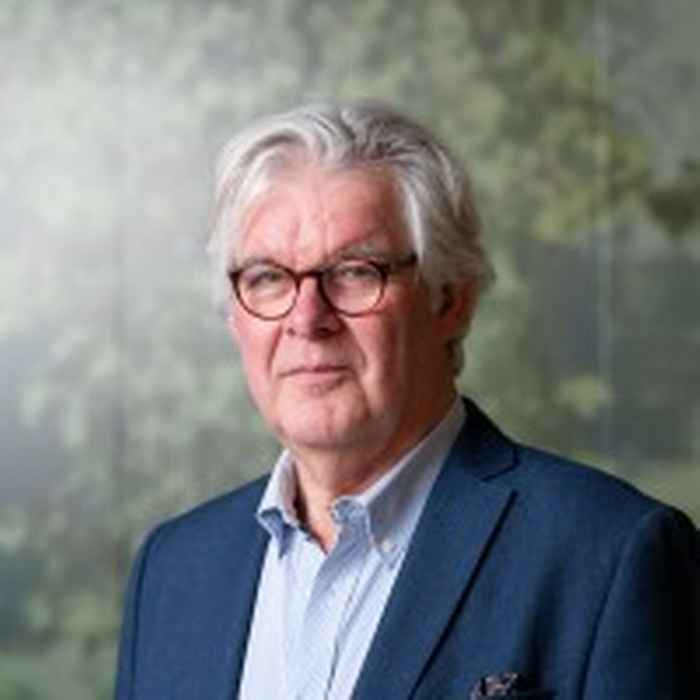
Wil Pansters is a professor of social and political anthropology of Latin America at Utrecht University, where his research focuses on violence, state formation, political culture, religion, and social movements in Latin America.