Exhibition opening: Heritage and Horizon – Between Memory and Imagination
Opening of the exhibition and programme series by student-in-residence Mohamed El-Hirech
- Date
- 24 September 2026
- Time
- 16:30 -19:00
- Location
- BG 3
- Room
- VOX-POP
Heritage and Horizon, curated by student-in-residence Mohamed El-Hirech, highlights the diversity of the Moroccan-Dutch identity and community through art and personal stories. The exhibition is structured as a journey through time: as a visitor, you begin at the historical starting point of the Moroccan presence in the Netherlands and move – through contemporary artistic perspectives – towards a general reflection on the future. Throughout the exhibition, you are invited to reflect on the following questions: what does cultural identity actually mean? When does one feel at home somewhere? Who decides what it means to be part of something?
Heritage and Horizon is a multimedia exhibition that brings together, amongst other things, photography, video and visual art by artists from various disciplines. The works demonstrate that identity is multi-layered, fluid and complex. In this way, Heritage and Horizon contributes to a more nuanced and multifaceted understanding on Moroccan-Dutch identities compared to the often stereotypical views that dominate public debate.
In parallel with the exhibition, weekly public programming takes place. These cultural programmes include a film screening, an interactive panel discussion and a henna workshop. The project invites visitors to not only look through the art works, but also engage in conversation, discover new perspectives and actively take part.
Opening programme
16:00 Walk-in with harira, drinks & snacks
17:00 Introduction
- Poetry by Rihab El Majdoubi
- Welcoming word by dean Sven Dupré
- Introduction by Mohamed El Hirech
17:30 Artist talk
18:00 borrel
Practical information
This event is free and open to everyone. We do ask that you register in advance. The event will take place at VOX-POP (ground floor), Binnengasthuisstraat 9.
Participating artists
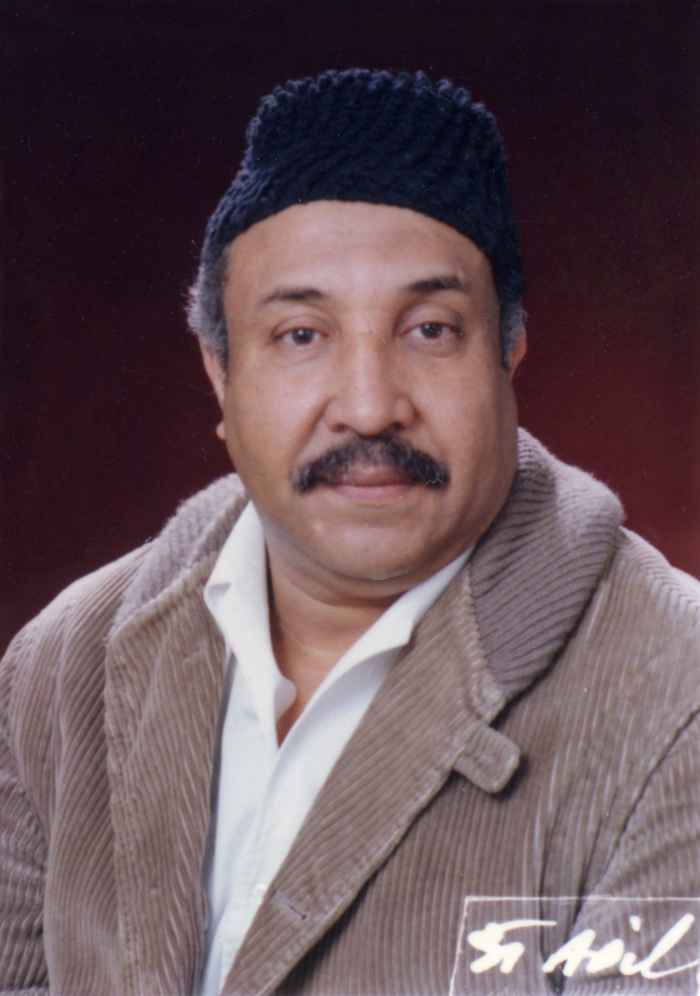
Abdellah Zaki (1937–2017) was a Moroccan-Dutch artist, musician and composer. He migrated from Morocco to the Netherlands in the 1960s. In his spare time, he painted and composed, mostly from the loft of his home.
Zaki’s paintings form an intriguing, personal visual account of his experiences as a migrant worker navigating life between two worlds. During his lifetime, Zaki remained relatively unknown. Following his death in 2017, his work gained greater international recognition, partly thanks to his daughter, Hajia Zaki. In 2023, a bridge in Amsterdam was named after Abdellah Zaki. His body of work is now regarded as a remarkable artistic testimony to (labour) migration and the coexistence of two cultures.
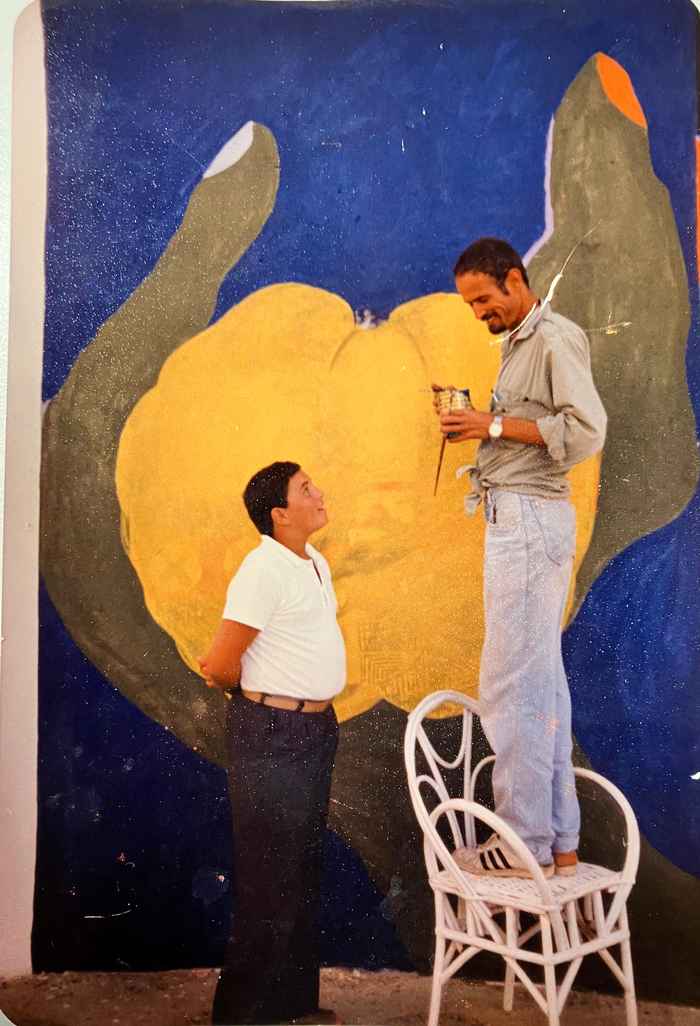
Ahmed Dainan (1947–2012) was a painter and poet, born in the famed artists' town of Asilah in Morocco. He began painting at a young age, in the early 1960s, and attended the art academy in Tetouan. When Morocco was going through its years of lead, with little room for artists and alternatives, he left for Europe. He sold paintings on La Rambla to fund his journey.
Dainan settled in Amsterdam in the late 1960s. In the 1980s, he exhibited during the summer months at the annual moussem (art festival) in Asilah, where he also maintained a friendship with the painter Corneille. The Dutch Migranten TV produced a compelling television portrait of him in the 1980s.
The work in Dainan’s collection is modern – he certainly was a pioneer – and ranges from abstract expressionism to magical realism. His daughter, Samira Dainan, now manages and curates his work and wrote a book in his memory following his death.
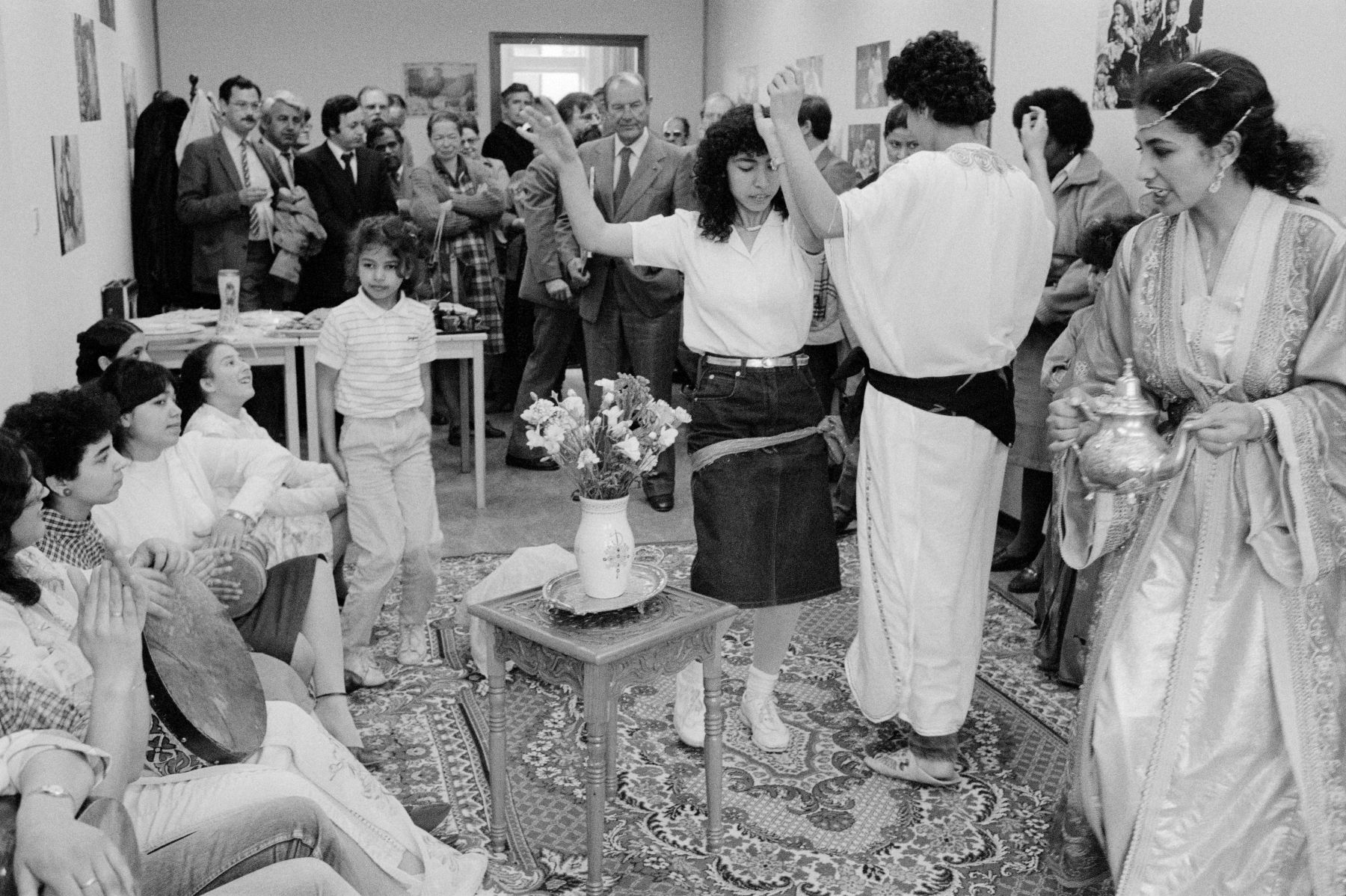
Robert de Hartogh (1942–2022) was one of the first photographers in the Netherlands who captured the lives of migrant workers in a poignant way from the 1970s onwards. At a time when migrants were rarely visible in Dutch visual media, he gave a face to their stories and experiences.
His extensive body of work, which is managed by the Nederlands Fotomuseum (Dutch National Museum of Photography), illustrates the diversity of migrant life: from everyday moments and work to family, community and festivities. According to the Nederlands Fotomuseum, his photographs significantly contributed to shaping perceptions of migrants in the Netherlands, particularly during the early decades of labour migration.
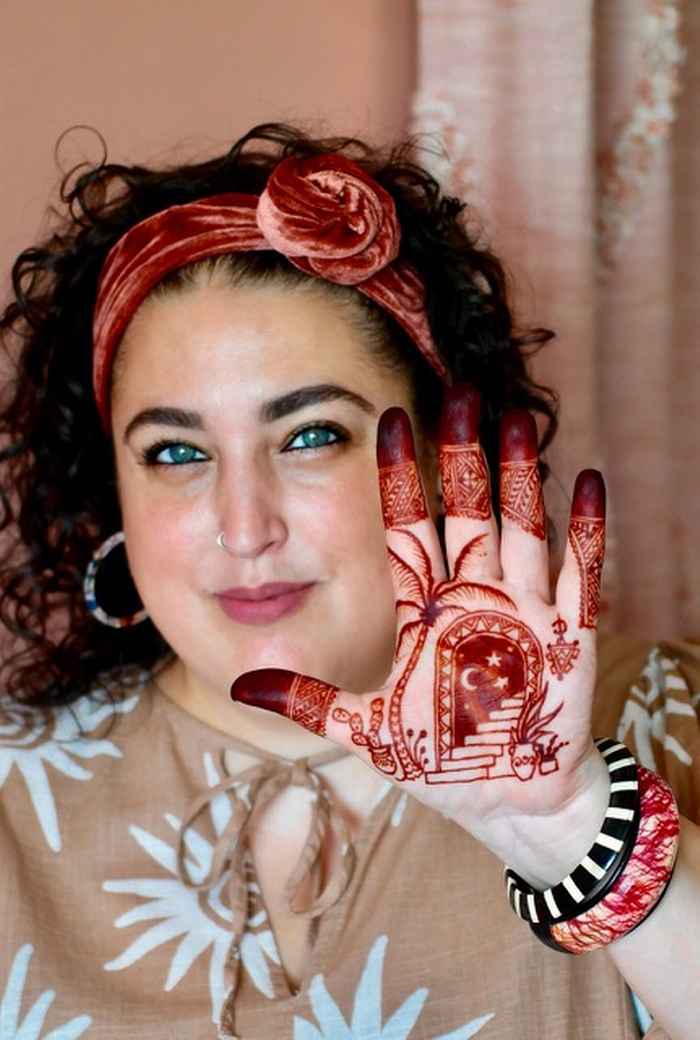
Fatima Oulad Thami is a self-taught henna artist. Her practice is deeply rooted in the Moroccan and Amazigh traditions of henna painting. In her work, henna serves as an artistic medium that connects tradition, cultural heritage, female craftsmanship and generations of passed-down knowledge.
Drawing on her awareness of her role as a central figure within the henna tradition, Oulad Thami creates work that challenges essentialist representations and makes space for alternative narratives. By applying henna to colonial archive images, she gives women – who were portrayed in an exotic and erotic manner by colonial powers – a central presence and dignity of their own. In this way, her work demonstrates how an age-old art form can contribute to the revaluation and continuation of cultural heritage and the reclaiming of narratives.
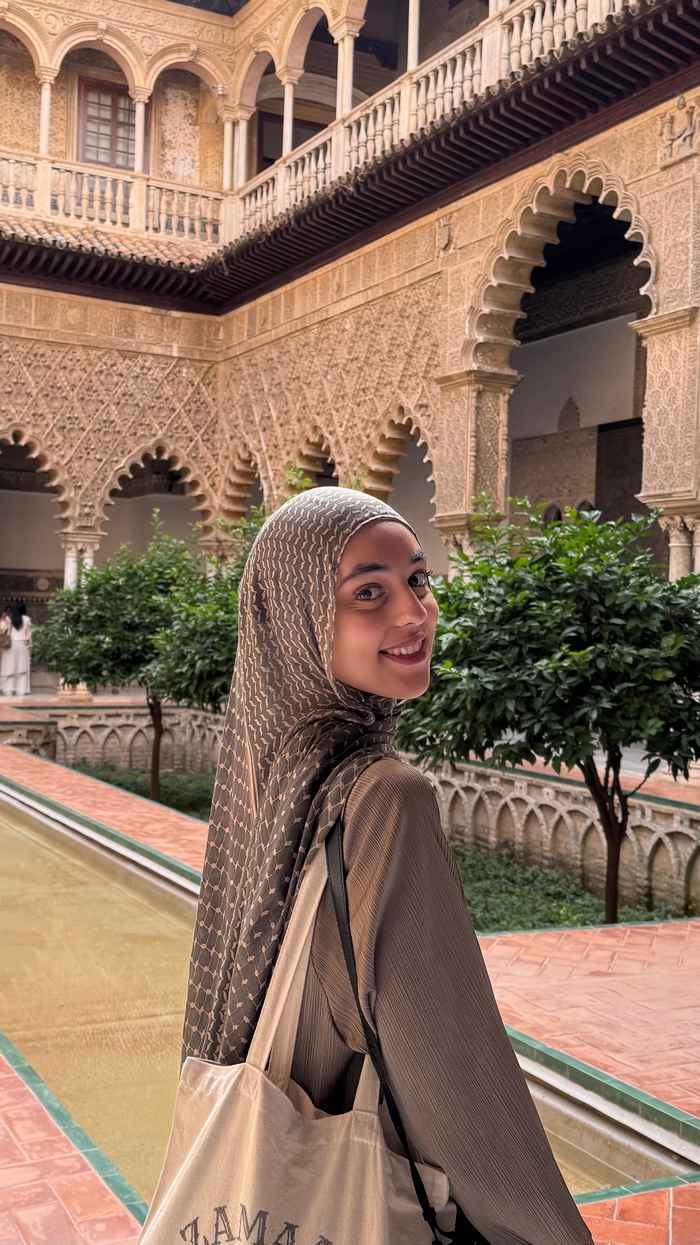
Wiaem el Bahri is a self-taught photographer from Rotterdam. Inspired by her Moroccan and Islamic background, she captures stories of identity, memory, and the diaspora in the Netherlands. Through her work, she aims to celebrate the richness and diversity of her community and inspire others.
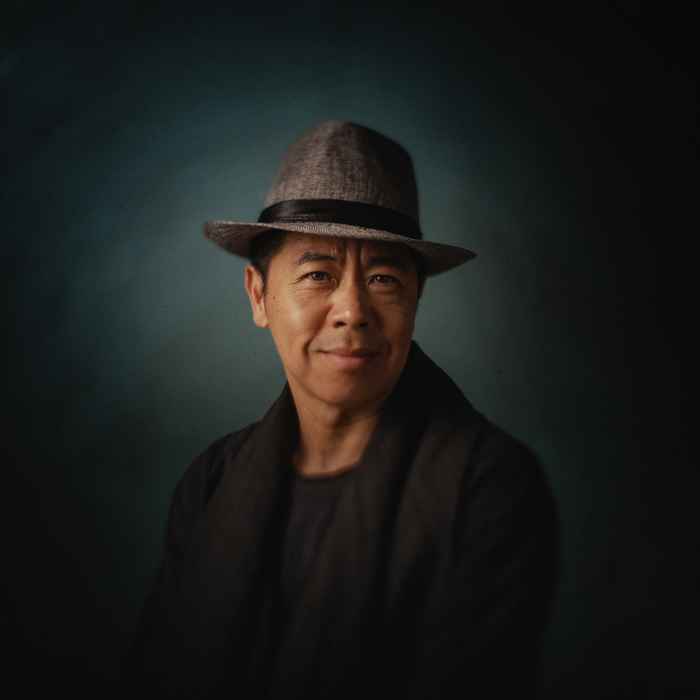
Hangfeng Chen is a visual artist and filmmaker working between Amsterdam and Shanghai. His practice reappropriates archival materials to create dialogues between personal memory and historical narrative. Working across drawing, papercut, collage, and animation, he explores connections transcending time and geography, reflecting on hybridity in the anthropocentric era. He holds an MA from the Netherlands Film Academy and is currently an artist-researcher at the University of Amsterdam. His works have been exhibited and collected internationally, including by Rockbund Museum, Today Art Museum, Palais de Tokyo, Zone2Source, Wereldmuseum, and White Rabbit Museum. His films have screened at CinemAsia, MADATAC Festival, Ibrida Festival, and the International Short Film Festival Oberhausen.
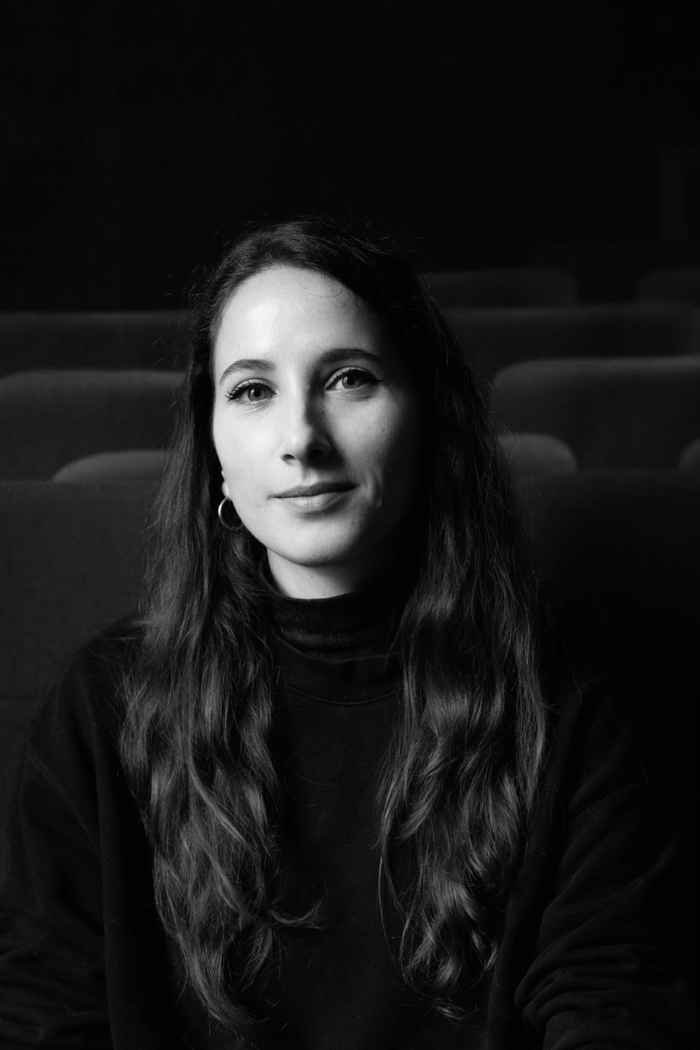
Sarah Amrani is a visual artist based in Rotterdam with an ongoing fascination for beauty standards, female cultural identity and its representation. Using photography, film and found footage, Amrani questions to what extent social media and new technologies shape our perception of beauty.
Photography and film are also used as a medium in a visual exploration of how Amrani relates to her bicultural identity as a young woman with a mixed cultural background. Although being familiar with Moroccan and Islamic cultures and traditions, Amrani mostly experiences feeling like an 'observer'. This feeling of being in-between multiple cultures and identities is a recurring theme in Amrani’s photographic practice.
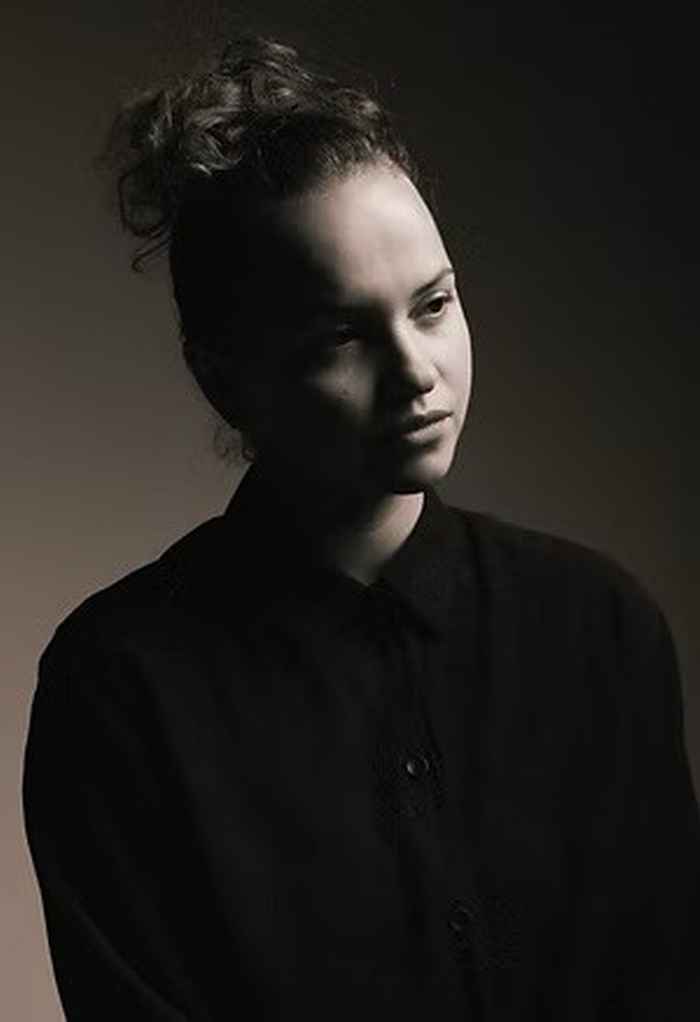
Dunya Zita is an interdisciplinary artist who explores the intricate facets of human perception and interaction through a documentary lens. As a self-taught and autonomous artist, Zita primarily makes use of lens based media (photography and film), audio and writing. Driven by intuition and curiosity, Zita has taught herself about interdisciplinary creation as a tool for exploring and philosophising about the themes she aspires to research.
The starting point of Zita’s work is usually personal and concerns different forms of connection and perception. Zita is guided by the belief that true insight comes from appreciating the value of each perspective and embracing the harmony found within conflicting opposites. Through her work, she aspires to weave stories within the themes of connection and perception, evoking a sense of awareness and understanding, thus igniting a transformative journey for both herself and her audience.
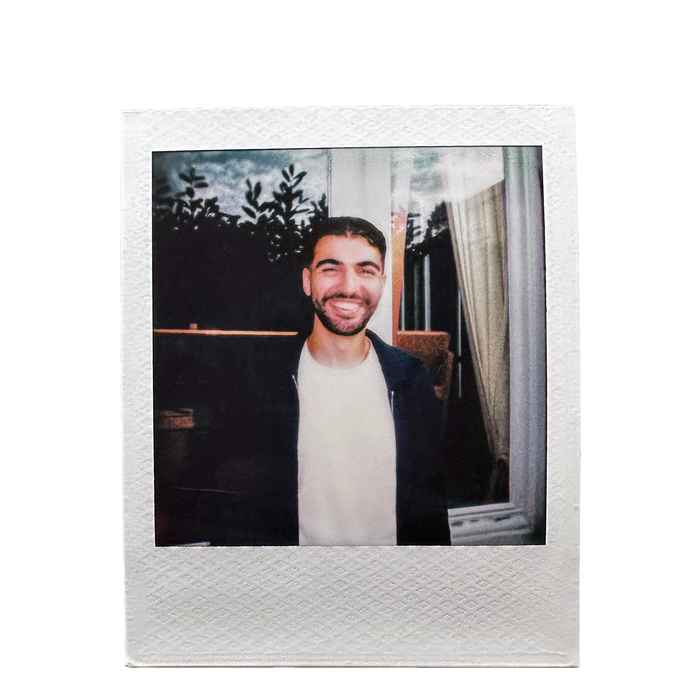
Redouan Rahmoun is a visual artist based in Amsterdam, the Netherlands. Working primarily with oil on canvas, his practice explores memory as both subject and material, examining how it preserves, distorts, and reshapes perception over time. Having not seen the Mediterranean Sea for nearly a decade, Rahmoun reconstructs the place through memory, choosing not to return in order to preserve the distance between recollection and reality. Each work emerges as a reconstruction of what remains, rather than a representation of what was.
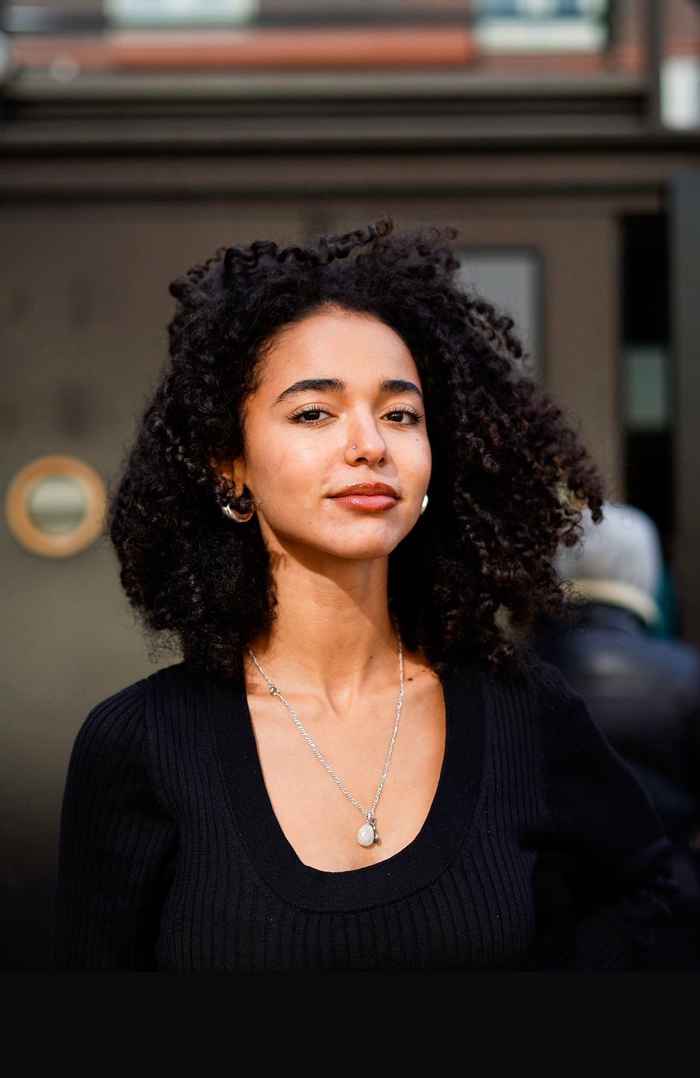
Rihab el Majdoubi, Young Poet of the Netherlands, is a versatile poet and spoken-word artist who writes and performs based on profound reflections on life and the world around her. She has performed on a variety of stages, from Poetry International to Ruigoord. In her work, she explores personal stories, everyday observations and societal themes, always with a sharp eye and an open heart.