CLOSE UP 2025-2026
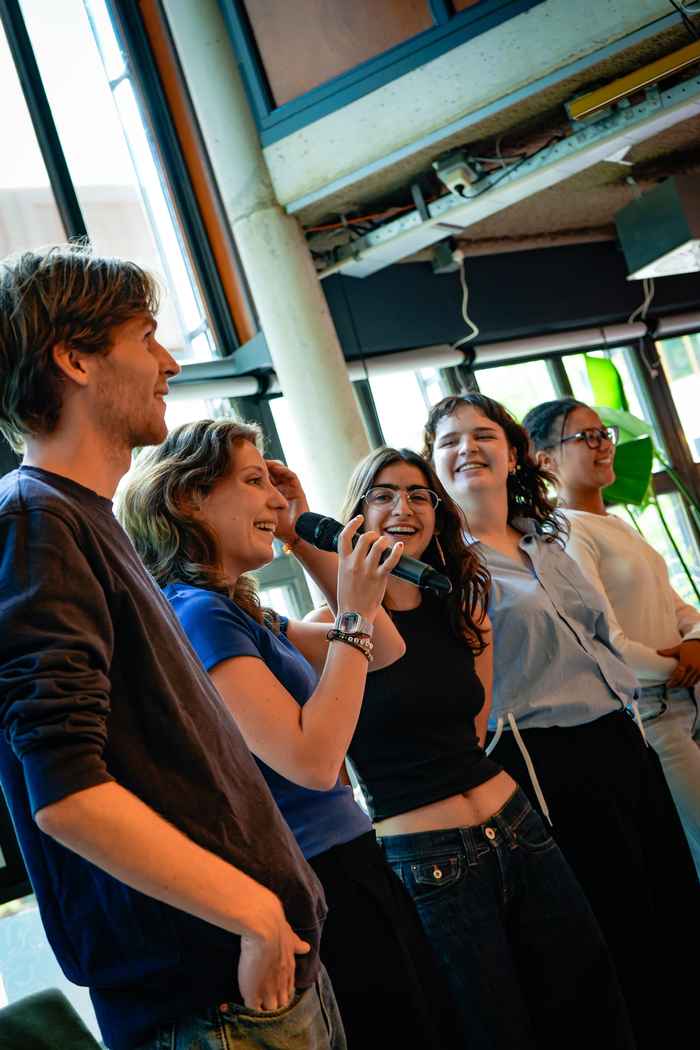
The 2025–2026 programming team consisted of Alicia Vãcaru, Eva Kivits, Madelief Verweij, Marina Farcette and Toer Olsthoorn.
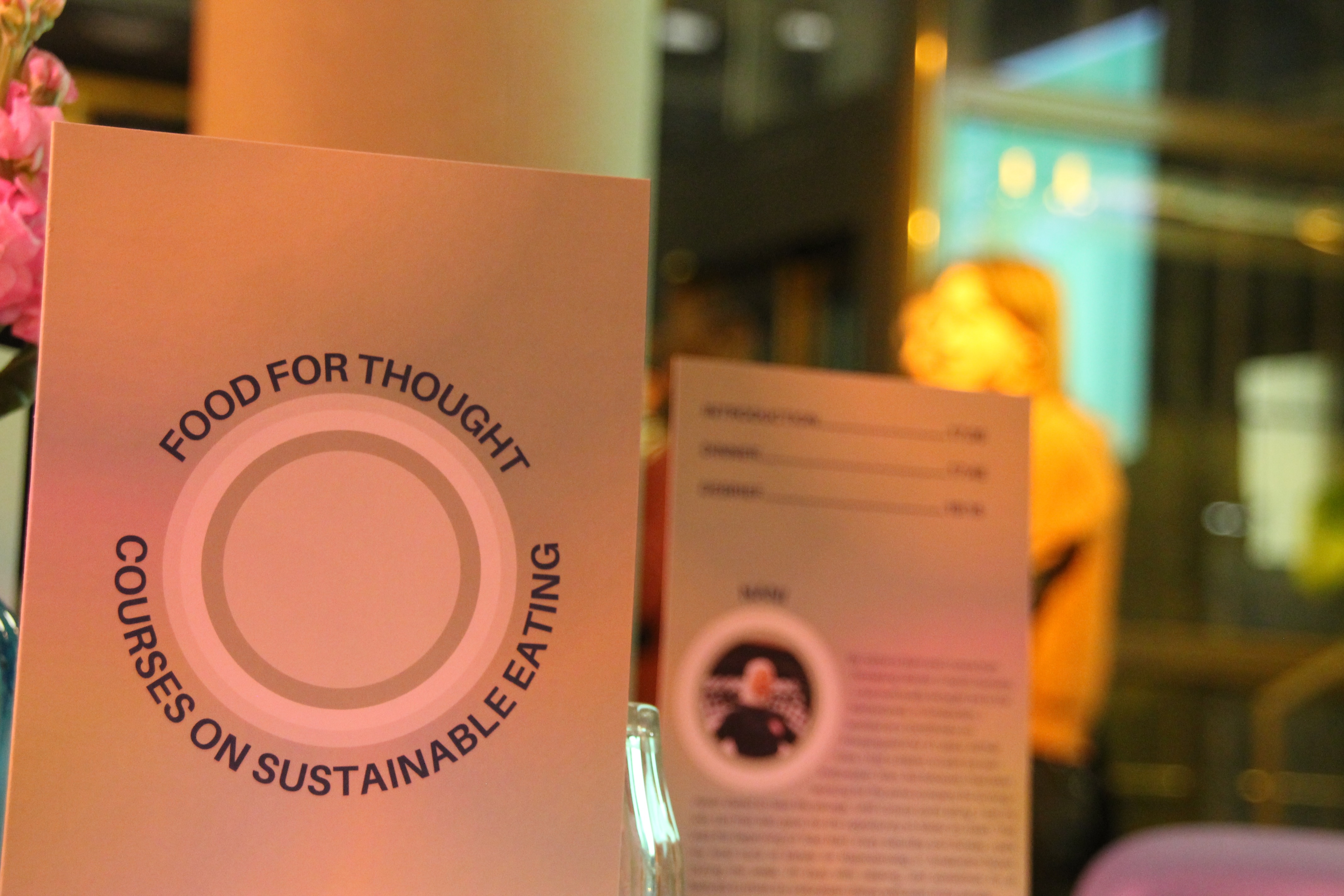
#9.1 Food for Thought
In this Close Up event, the student programmers explored the ethics and sustainability of the food we eat every day. Through a shared three-course dinner and conversations with experts, the evening examined how food reaches our plates and the impact our eating habits have on people, animals and the environment. The audience was invited to reflect on food production and consumption, as well as the possibilities for creating a more sustainable and connected food culture.
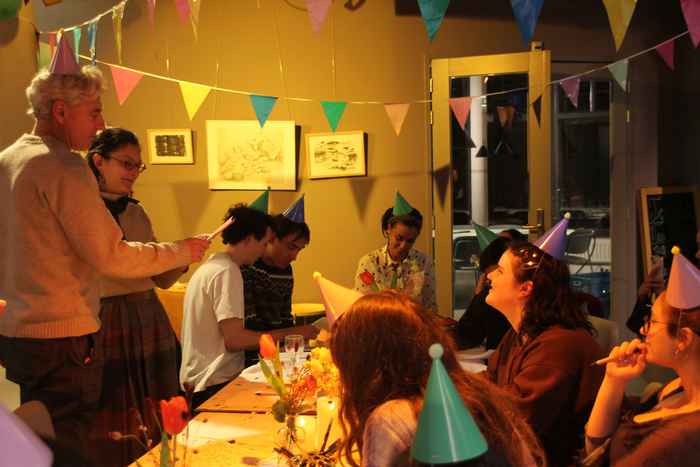
#9.2 Unwrap Your Birthday Ritual
During this evening, the student programmers explored the meaning of birthday rituals and the memories associated with them. Approaching the theme from both an anthropological and creative perspective, the programme considered how recurring customs, traditions and personal stories shape the ways in which we celebrate ourselves and one another. Through a short lecture, a poetry workshop and a shared reflection, the audience was invited to consider the rituals that return each year and the meanings we attach to them.
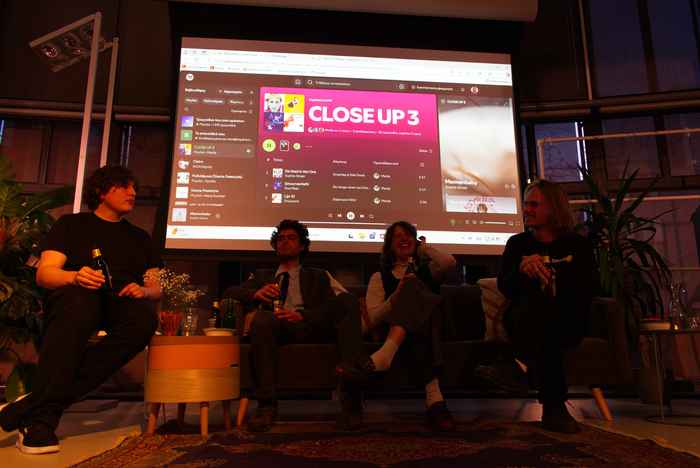
#9.3 Sounds of Solidarity
The third Close Up event of the year focused on the role of music and cultural expression in resistance and solidarity. Drawing on the idea of joy as resistance, the programme explored how rhythm, sound and collective experiences can create space for connection and amplify marginalised voices. Perspectives on decolonialism and solidarity were followed by a collective Maracatu workshop, allowing participants not only to discuss resistance but also to experience how music can move people, both literally and figuratively.
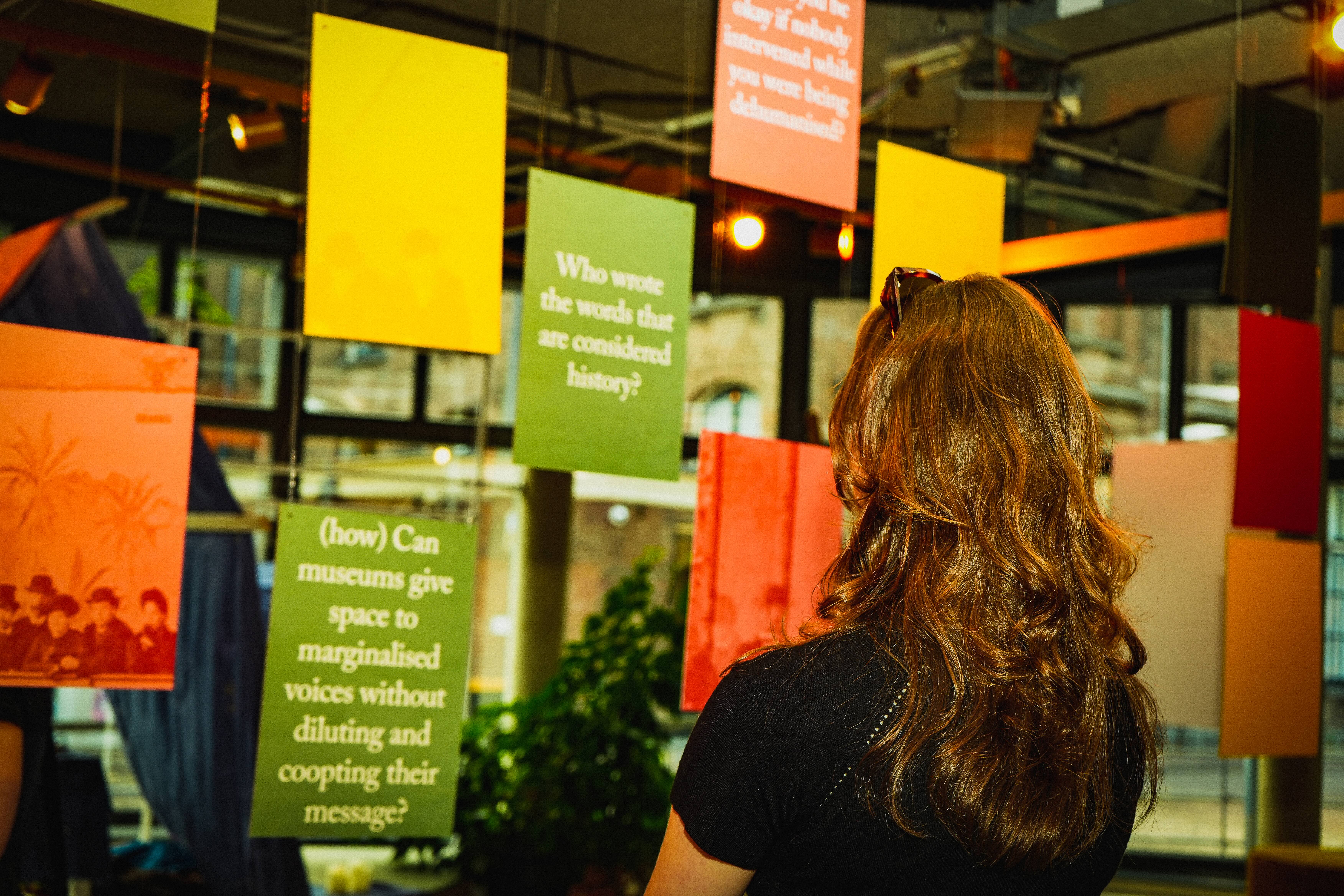
#9.4 Expo: Not My Knowledge
To conclude the Close Up year, the student programmers curated the exhibition Not My Knowledge in collaboration with the Allard Pierson’s Special Collections. Taking as its starting point the question of what is considered legitimate knowledge, and why, the exhibition explored which stories and knowledge systems have been excluded from institutional and colonial archives. Through artworks centred on storytelling, the body, ritual and memory, it created space for alternative ways of knowing and critically examined the structures that determine which forms of knowledge are recognised, preserved and passed on.
#9.5 Expo finissage Not My Knowledge
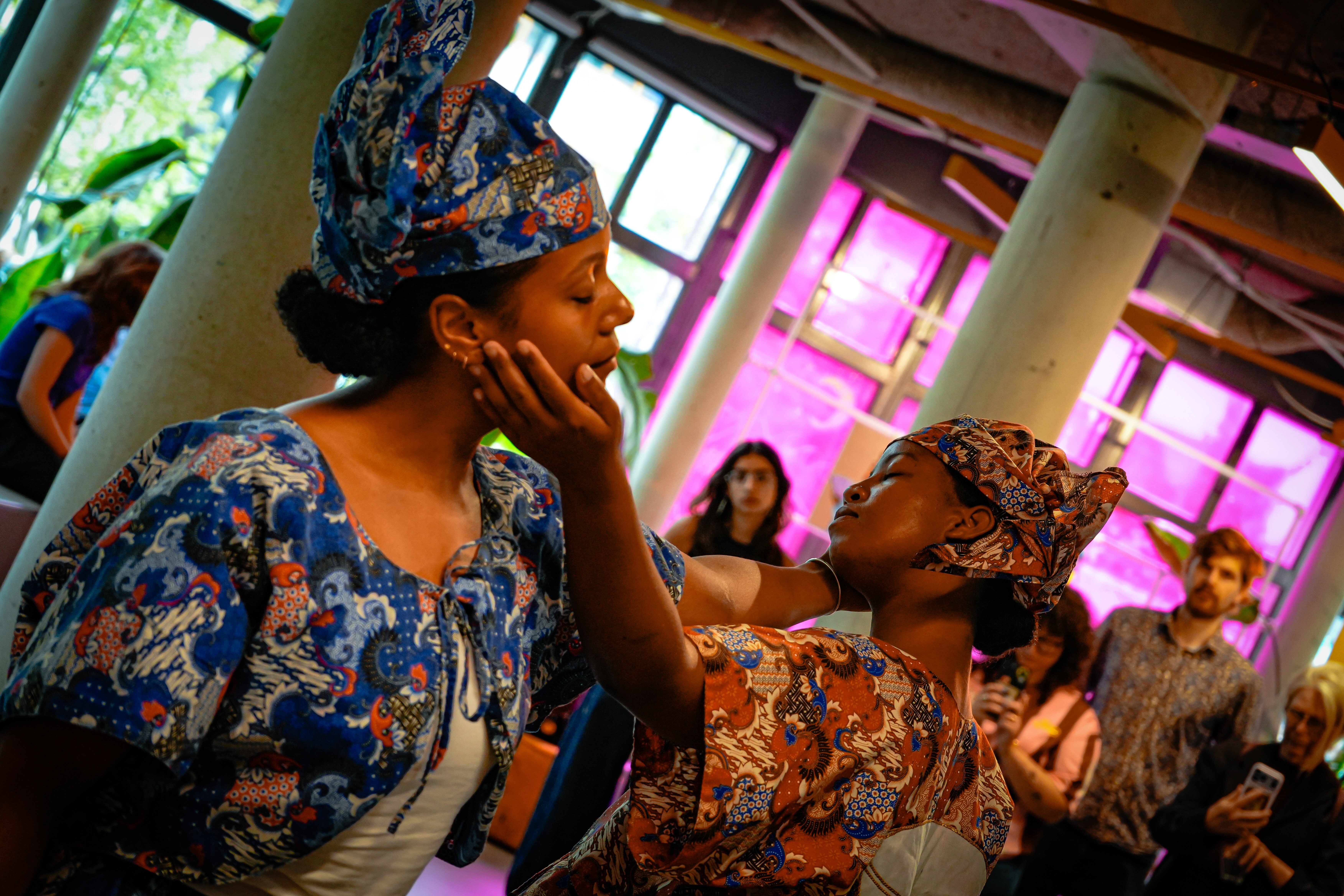
The Close Up year concluded with the exhibition Not My Knowledge, in which the student programmers explored forms of knowledge that often fall outside dominant frameworks. During the closing event, spiritual, ritual, embodied and collective forms of knowledge came together through art, dance and storytelling. A live choreography centred on the body, memory and heritage, alongside a performance exploring identity, resistance and the enduring legacy of slavery, invited reflection on how knowledge is carried, passed down and given new meaning.
Student Programming Team 2025–2026
Toer, Alicia, Marina, Eva and Madelief