Making the pluriverse: A cross-Atlantic colonial history
by CEDLA
- Date
- 6 March 2026
- Time
- 15:30 -17:00
- Location
- BG 3
- Room
- VOX-POP
Over the past twenty years, scholars and activists in Latin America have used the idea of the pluriverse to question colonial and capitalist ways of thinking. The term refers to the belief that there is not just one single way to understand the world, but many different ways of living, knowing, and relating to one another and to the environment.
While the concept may sound contemporary, the questions it raises are much older. As early as the sixteenth and seventeenth centuries, encounters between Europe and the Americas forced people on both sides of the Atlantic to rethink how the world was understood and represented. These encounters did not only reshape maps and texts; they also challenged what people meant when they spoke of “the world” itself.
Focusing on encounters between friars and Indigenous communities in colonial Latin America, this talk explores early debates about whether the world should be seen as one unified whole or as a plurality of different worlds. By looking at these historical tensions, the talk invites us to reflect on present-day discussions around the idea of the pluriverse.
Programme
From 15.30 to 17.00, the event will consist of a lecture, followed by remarks from our discussant and an open Q&A session with the audience.
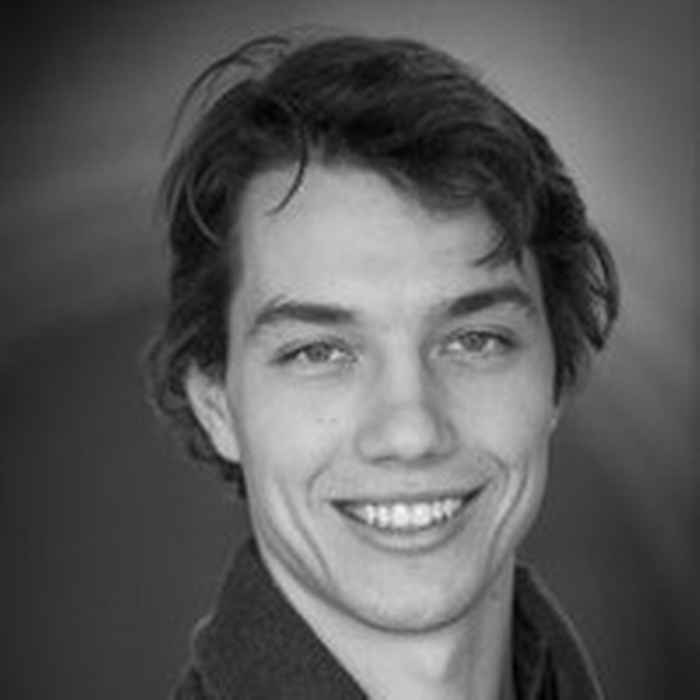
Nino Vallen is Assistant Professor of Early Modern Cultural History. His research focuses on the Spanish Empire and its colonies in the Americas and Asia, with particular attention to globality, empire, and questions of distribution and inclusion. He is the author of Being the Heart of the World, which examines Spanish activity in the Pacific and its impact on colonial Mexico. His current work explores how imperial global visions shaped the distribution of wealth and opportunity, including how Indigenous and African-descended actors engaged with imperial institutions to improve their position.
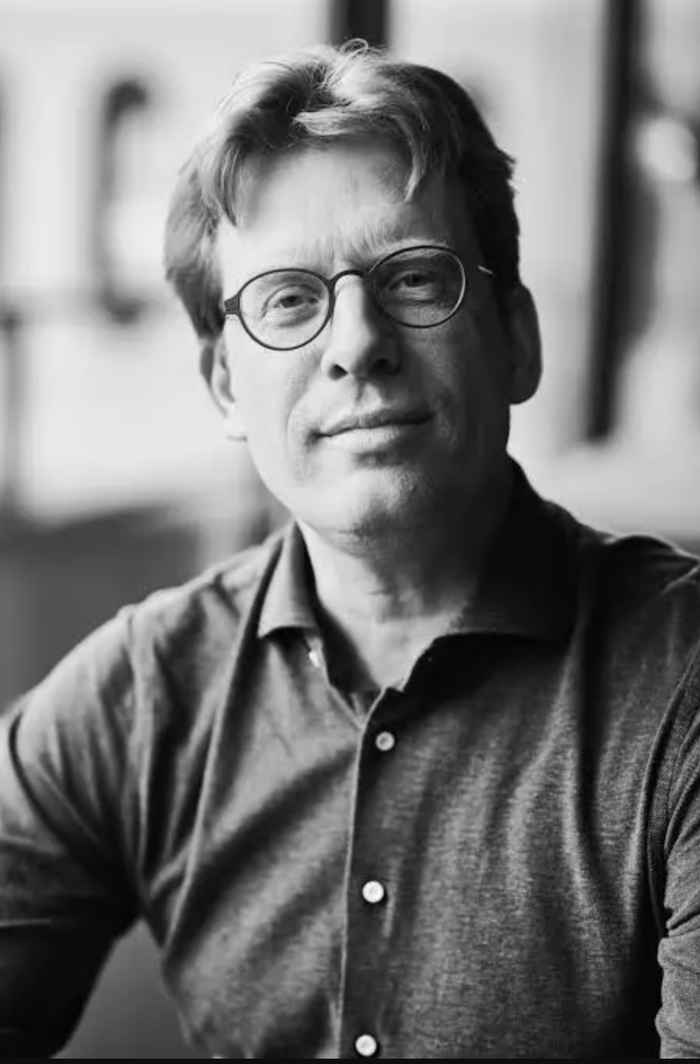
Matthijs Lok is Senior Lecturer in Modern European History at the Department of European Studies, University of Amsterdam. His research focuses on the political, cultural, and intellectual history of modern Europe in a global context since the eighteenth century, with particular attention to the role of ideas in political change. He specialises in themes such as conservatism, anti- and illiberalism, the (Counter-)Enlightenment, democracy, political moderation, and historical narratives of Europe, diversity, and modernity from a transnational and comparative perspective.
About Cedla
The Centre for Latin American Research and Documentation (CEDLA) Lecture Series is a public event programme that brings together international experts to share insights and new publications on Latin America. Each session features a 45-minute talk, followed by comments from a discussant and an open Q&A with the audience. Whether you’re a student, researcher, or simply curious about the region, you’re welcome to join the conversation. We’ll end the evening with drinks and nibbles at VOX-POP.